
Views: 0 Author: Site Editor Publish Time: 2026-06-12 Origin: Site


Flat architectural surfaces are increasingly being replaced by tactile, light-manipulating feature walls in both high-end residential and commercial spaces. Boring drywall simply fails to captivate modern audiences. Designers and contractors desperately need a reliable dimensional wall solution. They want to avoid the cheap, hollow feel of PVC plastics. They also need to bypass the extreme fragility of pressed plant-fiber panels. Today's projects demand seamless color matching alongside structural longevity. We introduce 3D embossed MDF (Medium-Density Fiberboard) wave panels as the ultimate industry standard. They deliver unmatched structural integrity and deep sculptural relief. You gain ultimate customization options through direct painting. We set an objective, specification-focused tone throughout this guide. Buyers evaluating material longevity, installation requirements, and aesthetic flexibility will find precise answers here. You will discover proper mounting protocols and advanced painting strategies. We also detail room-by-room applications to maximize your overall design impact.
Material Superiority: MDF provides a solid, impact-resistant substrate that mimics custom millwork without the bespoke price tag.
Design Flexibility: Fully paintable surfaces allow for precise brand-color matching or adaptive residential palettes.
Installation Reality: Requires standard carpentry skills (construction adhesive, brad nails, seam filling) rather than DIY peel-and-stick methods for a truly seamless finish.
Application Limits: Ideal for climate-controlled interiors; unsuitable for high-moisture zones without specialized exterior-grade treatments.
You often see hollow PVC panels in budget interior projects. They dent easily upon impact. Plant fiber or bagasse panels absorb moisture rapidly. They crush under minimal pressure. MDF offers a completely solid core. It feels exactly like premium wood millwork. Structural integrity remains paramount for high-traffic environments. Hallways and lobbies require materials capable of withstanding daily bumps and scrapes. MDF delivers this essential durability effortlessly.
MDF density brings slight acoustic and thermal benefits. It works exceptionally well in commercial lobbies. You can also use it effectively in residential media rooms. Hard plastics echo loudly. MDF absorbs sound slightly better. This subtle sound-dampening quality improves room acoustics. It creates a softer, more premium auditory environment.
MDF is decidedly heavy. This remains its primary trade-off. You must evaluate structural requirements for load-bearing walls carefully. Scaling up to double-height commercial feature walls requires strong, secure anchoring. Installers cannot simply glue heavy MDF to weak drywall. They must locate structural studs. They need heavy-duty fasteners to support the accumulated weight safely.
Eco-conscious projects benefit heavily from modern fiberboard engineering. You can source low-VOC options easily. CARB Phase 2 compliant MDF exists readily across the market. It supports LEED-certified building goals directly. Sustainable design no longer requires sacrificing aesthetic impact. You achieve stunning sculptural depth while maintaining strict environmental compliance.
Substrate Comparison Matrix | ||||
Material Type | Impact Resistance | Acoustic Properties | Installation Method | Best Application |
|---|---|---|---|---|
MDF (Medium-Density Fiberboard) | High (Solid Core) | Moderate Dampening | Adhesive + Brad Nails | Permanent Architectural Features |
PVC / Hard Plastic | Low (Hollow Back) | Reflective / Echoes | Construction Adhesive | Budget Commercial Areas |
Bagasse / Plant Fiber | Very Low (Crushes) | Minimal | Light Glue / Double-Sided Tape | Temporary Decor |
Commercial-grade panels usually arrive factory-primed. This crucial step saves countless labor hours on site. You skip the initial sealing phase entirely. The primer creates a uniform base layer. It stops the porous wood fibers from drinking your expensive topcoat. Transforming a Paint 3D Embossed MDF Wave Pattern Wall Panel into a bespoke feature requires specific finishing techniques.
Paint sheen dictates the ultimate visual impact. Matte finishes hide minor surface imperfections beautifully. They absorb light softly. High-gloss or satin finishes maximize shadow play. They emphasize the sculptural depth intensely. However, glossy paints require flawless seam preparation. Every tiny scratch or uneven joint becomes glaringly visible under high-gloss reflections.
We advise spray application (HVLP) over manual rolling. Spraying remains absolutely mandatory for deep embossed wave patterns. Rollers leave noticeable texture marks on the raised crests. Paint pools heavily in the recessed crevices when brushed. Sprayers deliver an exceptionally even, micro-fine coat. You achieve a factory-like finish. It looks like custom-molded plastic or metal.
High-traffic commercial corridors need serious protection. We recommend scuff-resistant urethane paints. Epoxy-fortified paints also work beautifully for active environments. They create a hardened shell over the carved wood. Routine cleaning becomes much easier. You prevent unsightly scratches from luggage carts or office chairs.
Common Mistakes to Avoid During Painting:
Applying overly thick coats over deep textures, causing drips.
Failing to spot-prime filled seams before applying the final color layer.
Using cheap, highly reflective paints over poorly sanded joints.
Ignoring ambient dust control while spraying the finish coat.
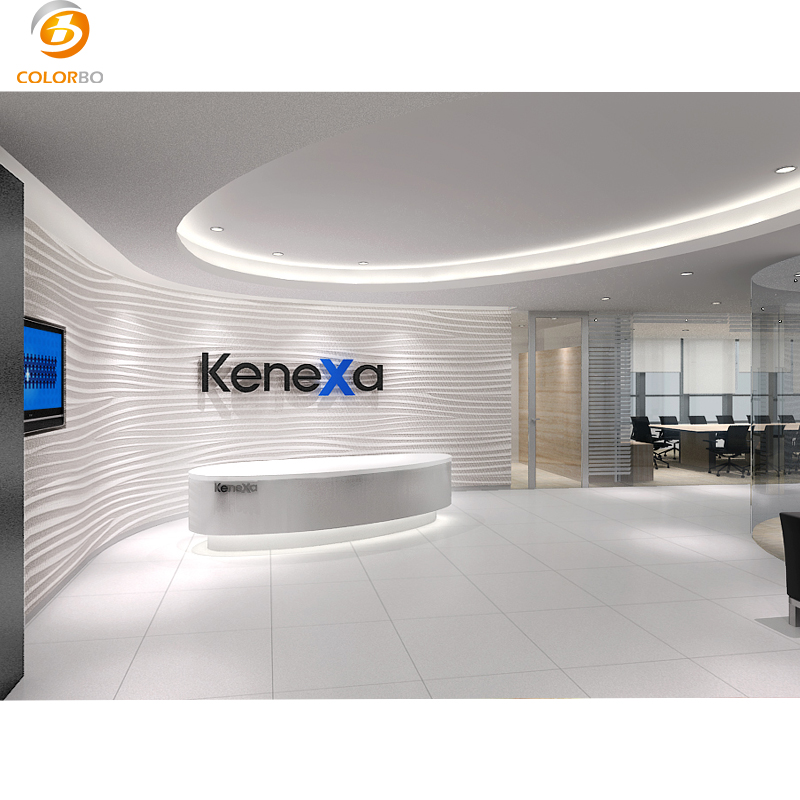
Hotel lobbies benefit from dramatic, large-scale textures. Restaurant feature walls draw the eye immediately. Corporate reception desks project authority and permanence. Custom paint matching reinforces brand identity seamlessly. You can match the exact Pantone color of a corporate logo. The sculpted waves add sophisticated depth. They elevate a basic waiting area into a memorable architectural space.
Living rooms and bedrooms gain a stunning focal point anchor. Modern homes often lack inherent architectural interest. A wave feature wall solves this problem instantly. Place it directly behind a flat-screen TV. It grounds the entertainment zone. Use it as a grand, ceiling-height headboard in a master suite. The texture creates a luxurious, boutique-hotel atmosphere.
3D wave panels absolutely require directional lighting. You must activate the 3D effect intentionally. Grazing light via LED strips works perfectly. You mount these strips tightly along the top or bottom edges. Recessed ceiling wall washers also highlight the crests and valleys effectively. The shadows drop deeply into the grooves. The investment is totally wasted without proper lighting. Flat, overhead ambient light flattens the texture completely.
Ideal Room-by-Room Use Cases:
Retail Boutiques: Backdrops for high-end merchandise displays.
Master Bathrooms: Accent walls away from direct splash zones (using moisture-resistant paint).
Home Theaters: Dark-painted wave patterns to reduce glare while providing subtle acoustic diffusion.
Corporate Boardrooms: Sophisticated accent walls framing presentation screens.
Wood fibers adapt to room humidity naturally. Mandate the strict 48-to-72-hour onsite acclimation rule. You must prevent severe post-installation expansion or contraction. Contractors simply unpack the boards. They leave them leaning against the walls in the installation room. Skipping this step guarantees cracked seams later.
We detail the required two-part fastening system for guaranteed stability. Installers apply heavy-duty polyurethane construction adhesive directly to the panel back. They combine this chemical bond by shooting pneumatic brad nails into structural studs. The nails hold the heavy boards firmly while the adhesive cures overnight. You cannot rely on glue alone for dense fiberboard.
Visible seams represent the most common failure point. Achieving a truly seamless monolithic look requires patience. Fill every gap using professional auto-body filler like Bondo. High-grade, non-shrinking wood filler also suffices. Meticulous sanding must follow. You blend the filler precisely into the carved waves. You do this meticulously before the final paint coat.
Contrast professional MDF installation alongside trending foam products. Peel-and-stick alternatives offer quick, temporary fixes. They appeal to budget DIYers. MDF stands firmly as permanent architectural millwork. We see cheap plastics fail frequently. Their adhesive backing dries out. They peel away from the wall. MDF installations last for decades. They look like bespoke, hand-carved installations.
Steps for a Seamless Monolithic Finish:
Mount the panels tightly together, leaving no more than a 1/16-inch expansion gap.
Apply auto-body filler into the joints using a flexible plastic putty knife.
Allow the filler to cure completely until rock hard.
Sand the filled joints using 120-grit, followed by 220-grit sandpaper, following the wave contours.
Wipe away all dust using a tack cloth before applying spot primer.
Installation Reality Check: Professional vs. DIY | ||
Feature | Professional MDF Installation | DIY Peel-and-Stick Panels |
|---|---|---|
Tools Required | Brad nailer, level, compressor, track saw, HVLP sprayer | Utility knife, level, measuring tape |
Seam Visibility | Invisible (filled, sanded, painted) | Highly visible grid lines |
Longevity | Permanent (20+ years) | Temporary (1 to 3 years) |
Customization | Unlimited paint and finish options | Limited to factory colors |
Clear warnings apply regarding ambient moisture levels. Never use standard MDF in wet interior zones. Bathrooms featuring open showers pose severe swelling risks. Steam penetrates standard paint eventually. The wood fibers expand irreversibly. Outdoor patios destroy standard panels rapidly. You must specify exterior-grade PVC or treated composite materials for exterior applications.
Commercial specifiers need specific fire codes. We discuss Class A, B, and C fire ratings frequently. Standard MDF usually falls into lower classifications. You can easily source fire-retardant (FR) MDF panels from reputable manufacturers. They meet strict municipal building codes safely. Fire-rated panels often feature a distinctive red core. This helps building inspectors verify compliance on commercial job sites.
Provide realistic maintenance expectations to your clients. Deep wave textures accumulate ambient dust naturally. Horizontal crests catch airborne particles. We recommend specific, gentle cleaning tools. Use extendable microfiber dusters regularly. Compressed air blows out stubborn dust from deep crevices. Avoid harsh chemical sprays completely. Heavy scrubbing degrades the painted finish over time.
Best Practices for Longevity:
Maintain consistent indoor HVAC humidity levels year-round.
Keep furniture spaced at least two inches away from the sculpted surface.
Use touch-up paint immediately if deep scratches expose the raw fiberboard.
Dust bi-weekly to prevent sticky buildup in the recessed valleys.
Conclusion
High impact-resistance matters heavily in modern design. Custom color-matching creates truly unique architectural spaces. A permanent architectural feel elevates the entire room instantly. MDF remains the decisively superior choice for meeting these strict demands. It outperforms flimsy plastics and fragile plant fibers completely. Your interior environments gain lasting sculptural depth. Professional installation guarantees a flawless, monolithic appearance. You avoid the cheap look of visible panel seams entirely.
Take actionable steps toward upgrading your next project. Order physical sample swatches today to feel the density yourself. Calculate your exact required square footage carefully. Consult an installation specialist immediately regarding wall preparation. Request bulk trade pricing if you manage large commercial volumes. Proper planning ensures a breathtaking, highly textured feature wall.
A: No. You require a completely flat, clean surface. Secure adhesion demands direct contact with bare drywall or plywood. You can also use furring strips to create a level mounting plane over textured walls.
A: You cut them using standard woodworking tools. A jigsaw or track saw works best for precise cuts. We highly recommend using electrical box extenders. They bring your outlets and switches perfectly flush against the new 3D surface.
A: Generally, no. Factory priming covers the main surface thoroughly. However, spot-priming remains strictly required. You must prime over any sanded seams, filled gaps, and covered nail holes prior to applying your final paint layers.
A: Standard MDF remains rigid and flat. It cannot bend around curves naturally. Flexible MDF options do exist in the market. These require specific kerfed backing or specialized custom manufacturing to fit your exact radius.