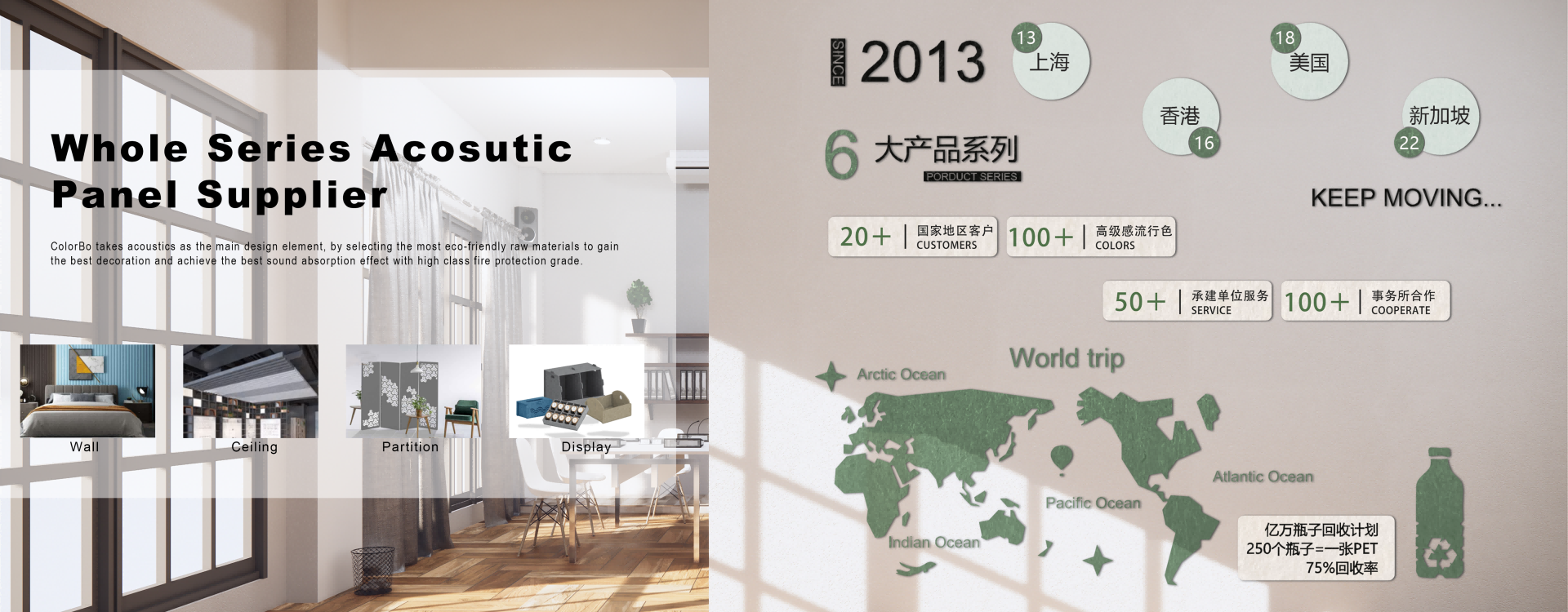
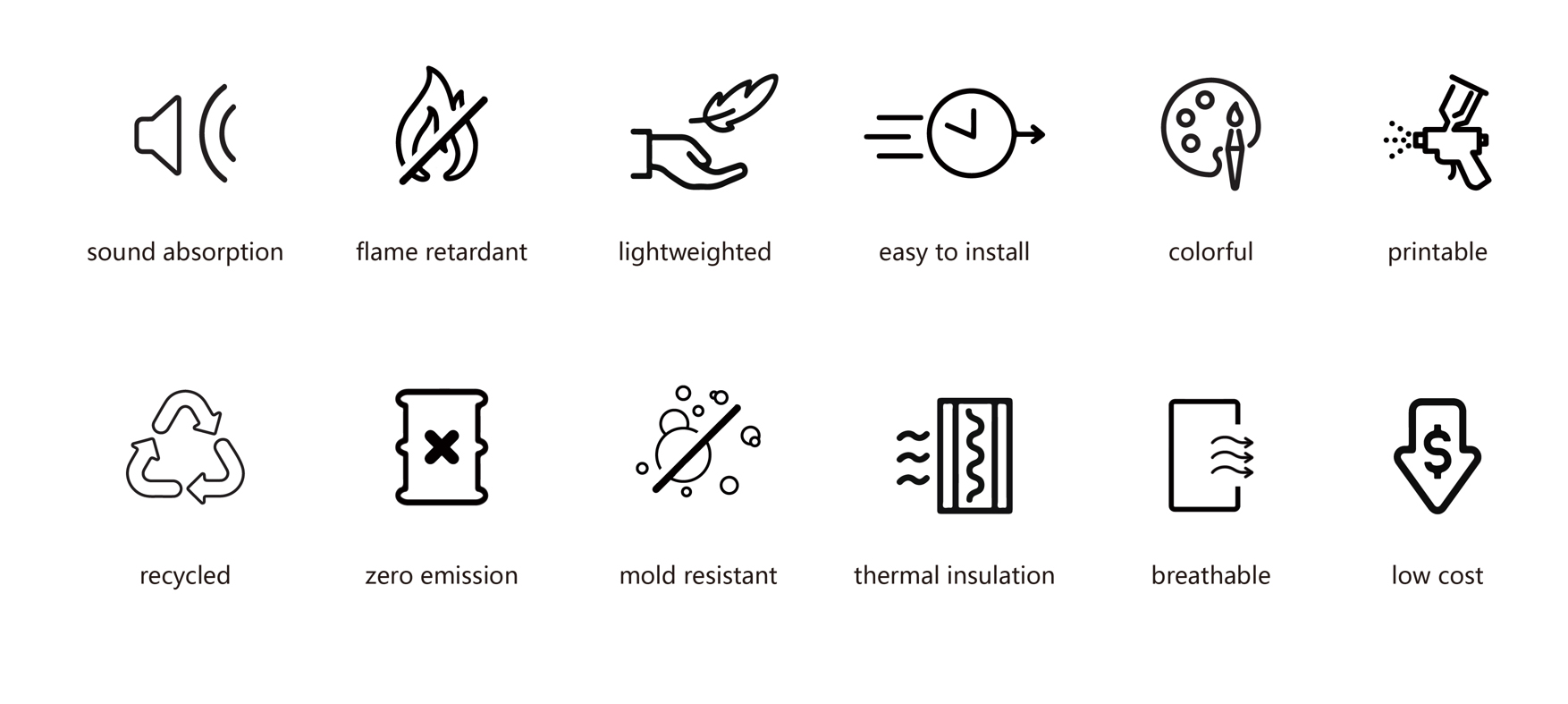
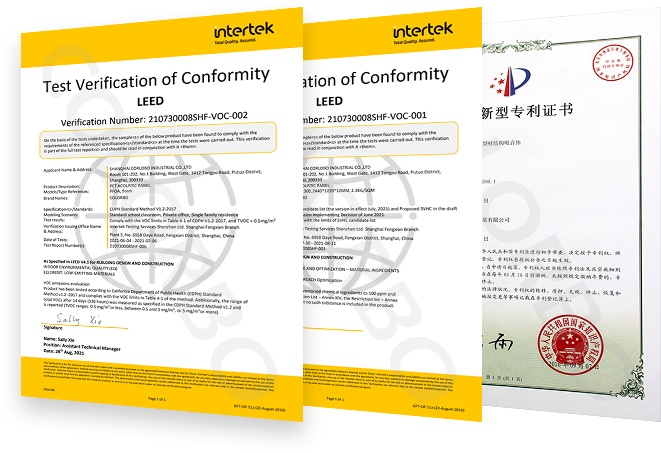
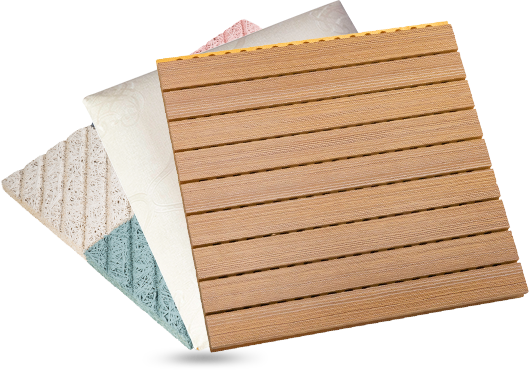
ColorBo takes acoustics as the main design element, by selecting the most eco-friendly raw materials to gain the best decoration and achieve the best sound absorption effect with high class fire protection grade. We are committed to the development, production and sales of all kinds of acoustic materials, providing total acoustic solutions and one-stop procurement of acoustic materials.
It is committed to promote eco-friendly and healthy high-tech materials into various fields of interior decoration, and make the single acoustic material design more art decorative effect and sound absorption and noise reduction performance.
Acoustic Solutions
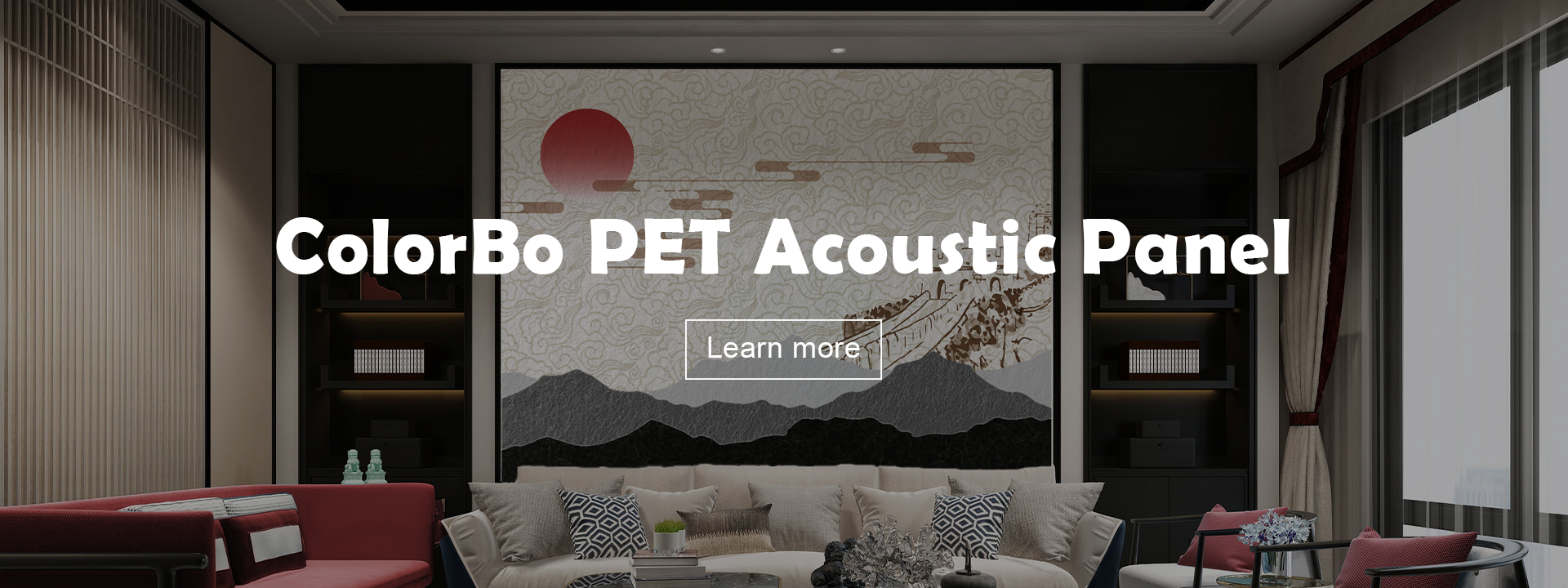
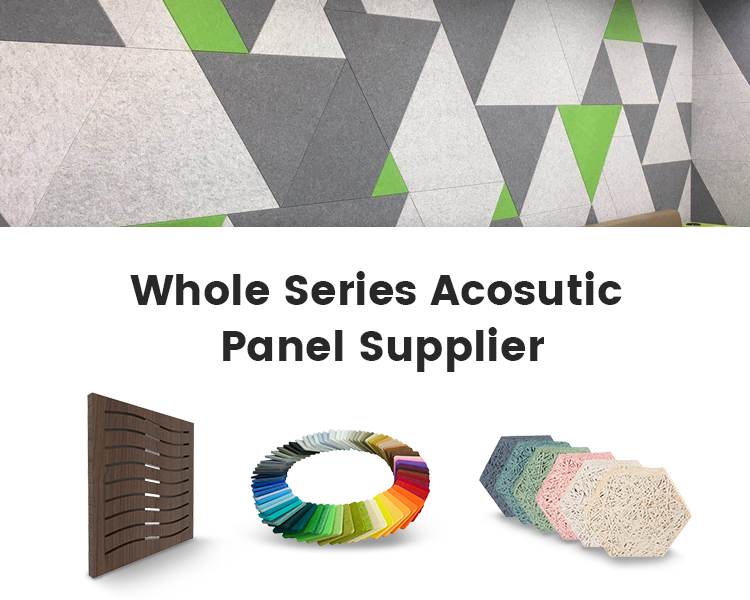
ColorBo acoustic materials can be used in airports, stadiums, cinemas, clubs and other industrial decoration field. The improved products are more suitable for home decoration places such as children's room, piano room, home theater, living room, etc.
ColorBo takes acoustics as the main design element, by selecting the most eco-friendly raw materials to gain the best decoration and achieve the best sound absorption effect with high class fire protection grade. We are committed to the development, production and sales of all kinds of acoustic materials, providing total acoustic solutions and one-stop procurement of acoustic materials.
Customer Case
Insights and Inspiration
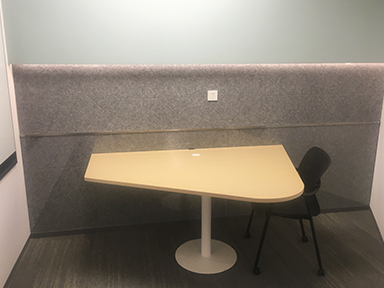
Amazon Office
Nowadays, ColorBo acoustic materials have been exported to more than 80 countries and regions
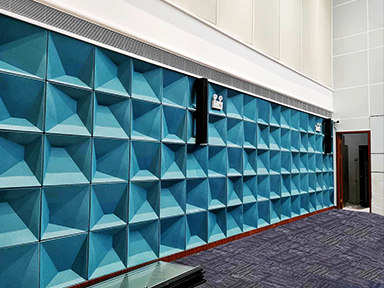
Shanghai Gas Company
Nowadays, ColorBo acoustic materials have been exported to more than 80 countries and regions
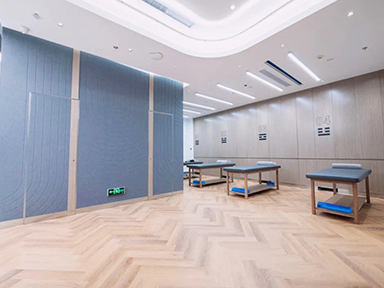
Up Fit
Nowadays, ColorBo acoustic materials have been exported to more than 80 countries and regions
Frequently Asked Questions
We are committed to the development, production and sales of all kinds of acoustic materials, providing total acoustic solutions and one-stop procurement of acoustic materials.
Yes, we do! We are proud to be a global supplier of our acoustical products. We deliver globally, from our factory to everywhere which need the high-end acoustic panels.
DIGITAL SHOWROOM
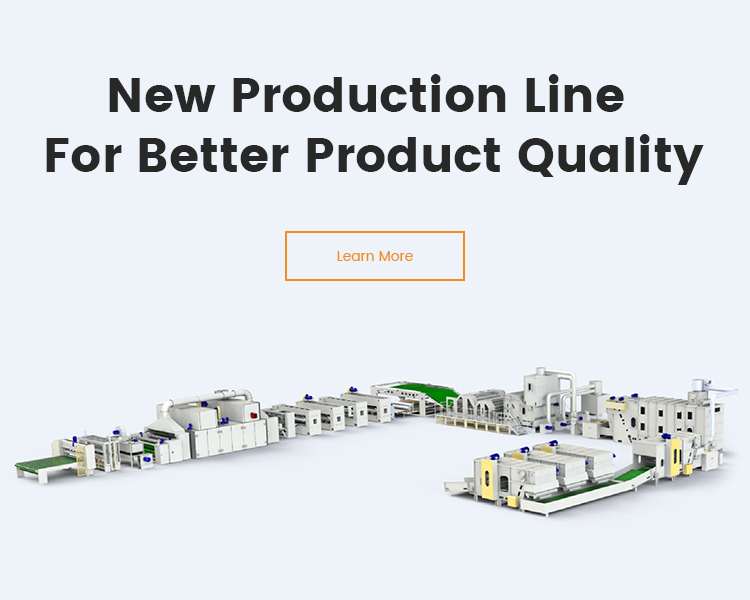
If you want to learn more about our manufacturing capabilities, you can click on the avatar in the scene, or accept my invitation!
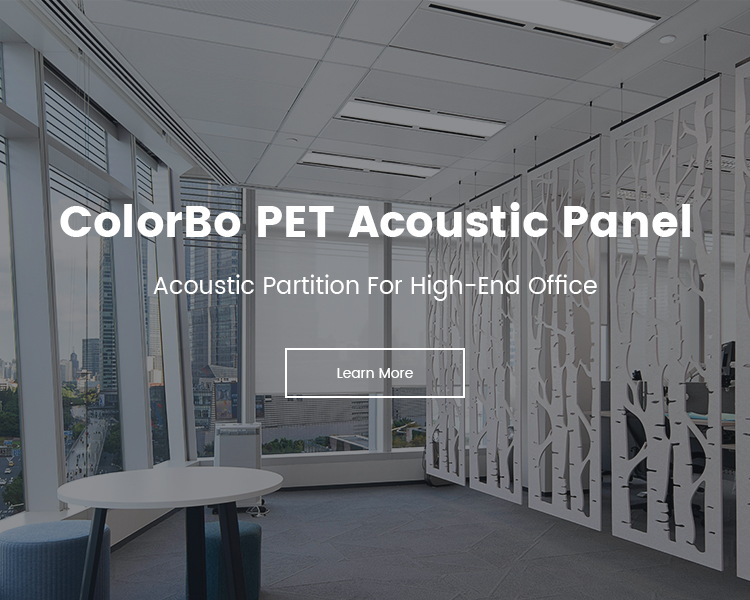
A meeting room can look professional yet still suffer from distracting echoes, unclear conversations, and poor speech intelligibility during video calls.
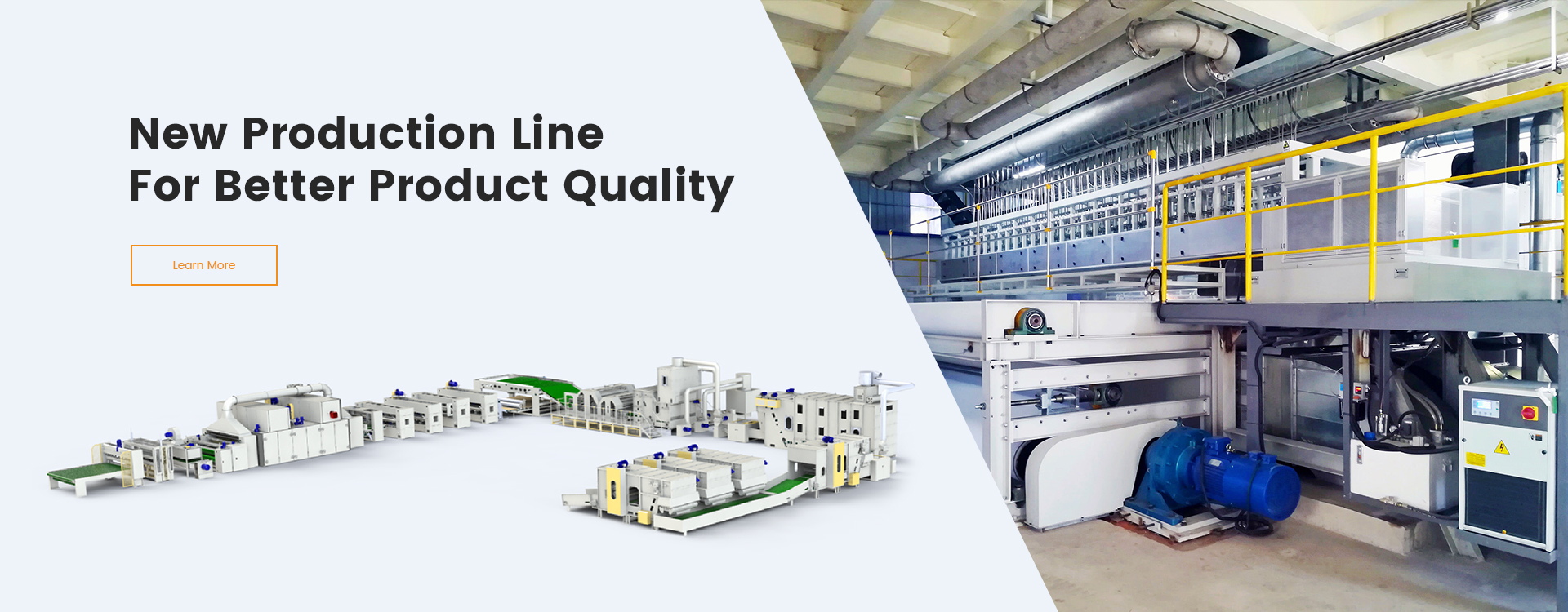
By combining of various materials to add audio absorption segments, from the material to finished products, from industrial to home decor, we use market to drive design, design to improve technology, and technology to lead production which try to lead to create a high-end model image in the acoustic materials industry.
We are committed to the development, production and sales of all kinds of acoustic materials, providing total acoustic solutions and one-stop procurement of acoustic materials.