
Views: 0 Author: Site Editor Publish Time: 2026-07-27 Origin: Site


High ambient noise and poor speech intelligibility actively erode productivity in modern workplaces. They compromise audio fidelity in creative spaces and degrade user experience in commercial environments. You cannot ignore the impact of a chaotic sonic landscape. Excessive reverberation creates measurable physical stress for daily occupants.
While the fundamental physics of sound absorption remain constant, selecting the proper treatment requires careful evaluation. The criteria change drastically depending on spatial function, fire safety codes, and aesthetic demands. Simply throwing basic foam on a wall rarely solves the core structural issue.
This guide outlines the technical evaluation frameworks and environment-specific requirements you need. We explore implementation risks and compliance standards to ensure complete project success. You will learn how to specify the right acoustic treatments without overspending or violating life safety regulations. By understanding the science of acoustics, you protect both the building occupants and the architectural integrity of your space.
Environment dictates specification: Offices require targeted speech frequency absorption; studios demand broadband control; public spaces prioritize fire compliance and durability.
Metrics matter: Evaluating panels requires looking beyond marketing claims to standardized Noise Reduction Coefficient (NRC) testing and fire retardancy ratings (e.g., Class A / EN 13501-1).
Placement over quantity: Strategic installation—including understanding air gaps and reflection points—yields better acoustic outcomes than simply maximizing panel coverage.
Uncontrolled reverberation causes severe acoustic fatigue. People struggle to concentrate when echoes bounce around a room constantly. This ambient noise forces individuals to speak louder. The overall volume escalates quickly in a vicious cycle. We see measurable negative impacts across various professional environments. Open-plan setups suffer from lost focus. Employees report increased stress levels. Production environments face inaccurate audio mixing. Sound engineers cannot trust their studio monitors. Public arenas struggle to provide accessibility. Hearing-impaired visitors cannot distinguish important announcements from chaotic background noise.
Define successful implementation before buying materials. Success rarely means total silence. It means controlling sound energy intentionally.
Targeted reverberation time (RT60): Reduce sound decay times to suit the specific room purpose perfectly.
Localized speech privacy: Prevent confidential conversations from traveling across open office floor plans.
Regulatory compliance: Pass all local building codes and strict commercial fire inspections on the first attempt.
Acoustic comfort links directly to tangible business outcomes. Quiet environments reduce employee turnover significantly. They improve client perception during high-stakes corporate meetings. Planning acoustics early prevents expensive retrofitting projects later. You save capital by solving noise issues during the initial architectural build phase.
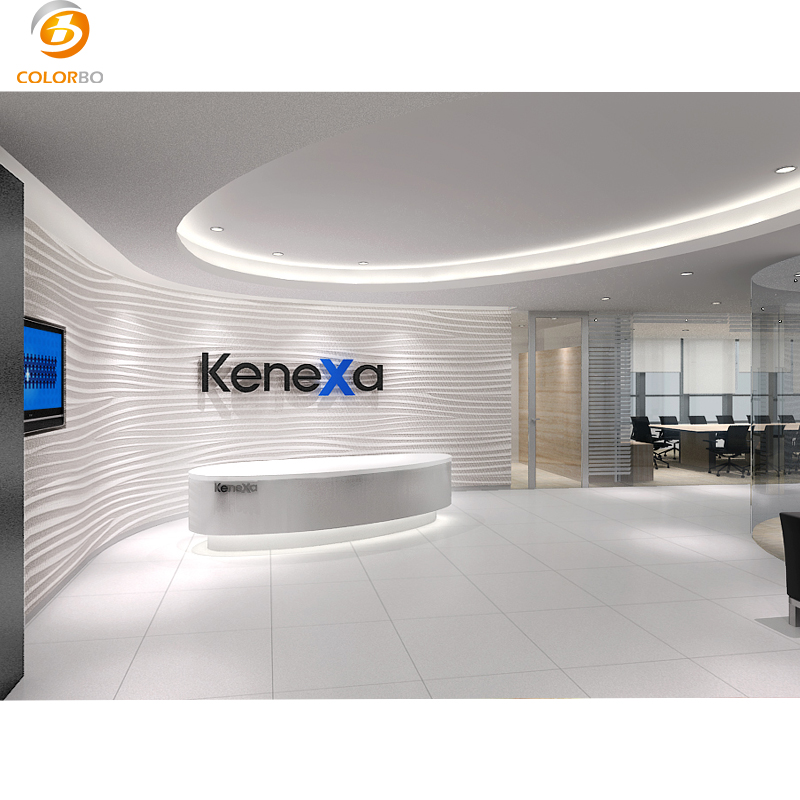
Different spaces demand completely different acoustic strategies. You must match the physical treatment to the specific environment.
Offices (Corporate & Co-working): Corporate environments generate mostly mid-range noise. Human speech dominates this acoustic zone. You must focus on office sound absorption targeting frequencies between 500Hz and 2000Hz. This specific range dictates human speech intelligibility. Open collaboration requires energy. Individual focus requires privacy. Strategic panel placement absorbs distracting background chatter efficiently. It creates distinct acoustic zones within open floor plans. Employees can collaborate freely without disturbing neighboring departments.
Studios (Broadcast, Recording & Podcasting): Critical listening spaces require extreme accuracy. You must use a dedicated studio acoustic panel to mitigate early reflections. These specialized panels eliminate destructive flutter echoes immediately. They stop standing waves from muddying the bass response. Studios need broadband absorption across the entire audio spectrum. They require thicker materials to trap low-end bass frequencies effectively. You will often mix varying material densities on the walls. This approach ensures flat, uncolored sound reproduction. Engineers can trust exactly what they hear.
Public Buildings (Lobbies, Auditoriums, Education): Large civic spaces require massive scale and intense durability. You need a specialized architectural acoustic panel designed for heavy daily traffic. These panels must blend seamlessly into large-scale interior designs. High-traffic areas demand serious physical impact resistance. Pedestrians will bump into walls frequently. Cleaning crews will brush equipment against them. Furthermore, public spaces enforce strict commercial fire safety mandates. You cannot compromise on these life-safety regulations under any circumstances.
Specifying an Acoustic Wall Panel requires reading beyond glossy marketing brochures. You must evaluate verifiable scientific data.
The Noise Reduction Coefficient (NRC) measures average sound absorption performance. Laboratories test materials across four specific frequencies. The Sound Absorption Average (SAA) provides a slightly more precise measurement across a wider frequency range. Both metrics range from 0.0 (total reflection) to 1.0 (total absorption). An NRC of 0.85 means the material absorbs 85% of sound hitting its surface. Never trust unverifiable "100% soundproof" marketing claims. Soundproofing blocks noise transfer completely. Absorption merely controls internal echo and reverberation.
Different core materials offer distinct architectural advantages. You must balance acoustic efficiency against sustainability and long-term longevity.
Material Type | Acoustic Efficiency | Sustainability Profile | Expected Longevity |
|---|---|---|---|
Fiberglass Core | Excellent broadband absorption across all frequencies | Moderate (contains some recycled glass content) | High (rigid edge treatments resist warping) |
PET Acoustic Felt | Excellent mid-to-high frequency noise control | High (manufactured from recycled plastic bottles) | Very High (inherently impact resistant) |
Acoustic Foam | Good high-frequency control for small spaces | Low (petroleum-based polyurethane composition) | Low (can oxidize and crumble over time) |
Perforated Wood | Highly customizable via internal backing materials | High (if utilizing sustainably sourced timber) | Extremely High (highly durable commercial finish) |
Commercial liability hinges on non-negotiable compliance metrics. You must verify flame-retardant standards meticulously. Look for ASTM E84 Class A certification in North American markets. Look for EN 13501-1 certification in European markets. These tests measure flame spread and smoke development quantitatively. Installing non-compliant materials creates massive legal risks. It endangers human life during critical evacuation scenarios.
Acoustic treatments should never look like industrial afterthoughts. Modern design offers incredible customization. You can specify unique custom finishes easily. Fabric wrapping offers infinite color choices. Unique form factors allow panels to act as architectural features. They can mimic natural wood textures seamlessly. They integrate beautifully into lighting coves. Designers often use them to form striking geometric wall art installations.
Even premium materials fail if installed incorrectly. You must understand common implementation pitfalls before construction begins.
Installation methods alter acoustic performance drastically. Flush-mounting panels directly against drywall limits low-frequency absorption. Adding a small air gap behind the panel changes everything. This gap forces the sound wave to pass through the absorbent material twice. The air pocket acts as a physical extension of the absorber itself. It significantly improves low-end frequency control. We call this the quarter-wavelength rule in professional acoustics.
More panels do not equal better sound. Applying too much high-frequency absorption creates a dead room. The space becomes unnaturally quiet. People describe this feeling as oppressive and highly uncomfortable. You must balance the room carefully. Do not ignore problematic low frequencies. Use thicker panels alongside standard wall treatments. Incorporate dedicated bass traps in room corners. Maintain some reflective surfaces to keep natural speech sounding lively.
Consider the reality of long-term wear. High-traffic public corridors face daily abuse. Heavy bags scrape against walls constantly. Hands constantly touch the fabrics. Light-colored acoustic foam discolors quickly from UV light exposure. Fabric can sag if stretched improperly during manufacturing. Choose impact-resistant PET for lower wall sections. Utilize perforated wood in heavy contact zones. Keep delicate fabric-wrapped panels positioned much higher up. Plan a regular cleaning schedule. Use approved brush vacuum attachments strictly avoiding harsh liquid chemicals.
Buying acoustic materials requires careful vendor evaluation. Do not purchase based solely on the lowest initial price.
You need highly reliable manufacturing partners. Demand third-party acoustic lab testing reports proactively. Verify all fire certifications independently through recognized testing databases. Assess their manufacturing lead times accurately. Delays in acoustic material delivery often stall entire construction projects. Ensure they offer comprehensive long-term warranty coverage. Look for strong guarantees against fabric delamination and core sagging.
Always request physical samples before bulk ordering. Digital screens misrepresent fabric textures completely. They distort color accuracy under specific architectural lighting conditions. Physical samples let you feel the build quality directly. You can check the edge rigidity yourself. You can verify the backing material density in person. Soft edges crush easily during installation. Hardened edges maintain crisp architectural lines for years.
Engage an acoustic consultant for complex spatial projects. They bring invaluable technical expertise. Alternatively, utilize professional room calculation software. These advanced tools determine precise coverage needs. They analyze room volume carefully. They account for existing hard surfaces like glass and concrete. You avoid the costly mistake of under-treating your environment. You prevent wasting money on unnecessary over-treatment.
Specifying acoustic treatments demands a delicate balance. You must harmonize verifiable acoustic science, strict regulatory compliance, and stunning architectural vision. Ignoring any single factor compromises the entire construction project. The most expensive panel is the one failing a municipal fire inspection. It is the panel failing to solve specific frequency issues inside the room. Take actionable steps today to improve your sonic environment. Request a material sample kit from your supplier immediately. Download a technical specification sheet to review the crucial NRC data. Book a professional acoustic assessment to map your precise spatial needs accurately.
A: Acoustic panels absorb internal echo, improving sound quality and speech clarity significantly. They do not block sound from entering or leaving a space. True soundproofing requires adding heavy mass and decoupling structural elements to stop sound transmission entirely.
A: A common baseline rule involves treating 15% to 30% of your total wall real estate. However, exact calculations depend heavily on room volume, existing hard materials, and the specific NRC rating of your chosen panels. Complex spaces require professional acoustic modeling.
A: No. Cheap materials like basic polyurethane foam are highly flammable and dangerous. Commercial applications strictly require certified fire-rated materials. Always verify ASTM E84 Class A or EN 13501-1 certifications before specifying any installation.
A: Yes. You can customize them extensively, provided the decorative facing remains acoustically transparent. This transparency allows sound waves to penetrate the core absorbent material. Avoid thick paints or heavy, tightly woven fabrics that reflect high frequencies back into the room.