
Views: 0 Author: Site Editor Publish Time: 2025-09-24 Origin: Site


Wood fiber fireproof cement boards have become an essential material in modern construction, valued for their combination of durability, fire resistance, moisture resistance, and aesthetic versatility. These boards, which integrate natural wood fibers with cement, provide structural strength while remaining lightweight and easy to install. They are commonly used in walls, ceilings, partitions, cladding, and decorative architectural elements in both residential and commercial projects.
While wood fiber fireproof cement boards are designed to be long-lasting and low-maintenance, proper care and routine maintenance are crucial for ensuring their longevity. Regular inspections, preventive measures, and timely repairs can prevent minor issues from developing into significant structural or aesthetic problems. This article explores the best practices for maintaining wood fiber fireproof cement board structures, factors that influence their lifespan, and strategies to extend their performance over decades.
Wood fiber fireproof cement boards are engineered to resist common challenges in construction, including fire, moisture, pests, and impact. The cement matrix provides rigidity, fire resistance, and moisture protection, while the embedded wood fibers enhance tensile strength, flexibility, and thermal and acoustic insulation. Compared to traditional cement boards, wood fiber cement boards offer superior impact resistance, reduced cracking, and easier handling during installation.
Despite their inherent durability, the longevity of these boards depends on several factors, including installation quality, environmental exposure, and ongoing maintenance. Proper installation, including correct fastener placement, seam treatment, and surface finishing, lays the foundation for extended performance. Once installed, structured maintenance practices ensure that the boards continue to perform as intended over their entire lifespan.
Regular inspection is the first step in maintaining wood fiber fireproof cement board structures. By identifying issues early, property owners and maintenance teams can prevent minor defects from escalating into major problems.
Visual inspections should be conducted at least twice a year, focusing on signs of wear, damage, or moisture intrusion. Common indicators include cracks, discoloration, warping, or separation at joints and seams. For exterior cladding, check for peeling paint, surface stains, or evidence of pest activity. Interior walls and ceilings should be examined for water stains, mold, or surface deterioration.
In addition to visual inspections, periodic structural assessments are recommended, particularly for high-traffic areas or load-bearing walls. Check that fasteners remain secure and that boards are firmly attached to the supporting framework. Any signs of sagging or uneven panels should be addressed promptly to prevent further structural compromise.
Environmental factors such as humidity, temperature fluctuations, and exposure to UV light can impact the longevity of wood fiber cement boards. Monitoring these conditions in sensitive areas, such as bathrooms, kitchens, or exterior walls, helps determine whether additional protective measures are required.
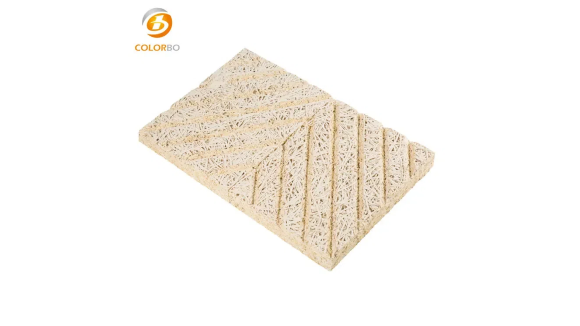
Maintaining a clean surface is essential to preserve the appearance and performance of wood fiber fireproof cement boards. Routine cleaning prevents the accumulation of dirt, grime, and contaminants that can degrade surface finishes or promote mold growth.
For interior applications, clean boards using a soft cloth or sponge with mild detergent and water. Avoid abrasive cleaning tools or harsh chemicals, which can damage the surface or compromise protective coatings. Lightly dust boards regularly to prevent buildup and maintain aesthetic appeal.
Exterior boards may require more frequent cleaning due to exposure to environmental pollutants, rain, and UV light. Use a gentle pressure wash or a soft brush with mild soap to remove dirt, algae, or other surface deposits. Avoid high-pressure washing that could damage the cement matrix or loosen surface coatings.
Protective coatings, such as paint or sealant, help prevent staining and surface deterioration. Ensure that coatings are compatible with wood fiber cement boards and are applied evenly. Reapply coatings as recommended by the manufacturer, typically every 3 to 5 years, to maintain protection against moisture, UV exposure, and wear.
Although wood fiber fireproof cement boards are moisture-resistant, prolonged exposure to water or high humidity can still affect performance over time. Effective moisture management is essential for extending board longevity.
Ensure adequate ventilation in rooms with high humidity, such as bathrooms, kitchens, and basements. Ventilation systems reduce condensation on walls and ceilings, preventing mold growth and minimizing the risk of warping or swelling.
For exterior walls or areas prone to water exposure, apply waterproof membranes or sealants to edges, joints, and seams. These protective layers prevent water infiltration, which can weaken the cement matrix and affect the wood fibers over time. Pay special attention to corners, window sills, and roof junctions where water can accumulate.
If moisture intrusion is detected, address the issue immediately. Replace damaged boards, reseal seams, and repair structural elements as needed. Early intervention prevents water-related damage from spreading and preserves the integrity of the overall system.
Wood fiber fireproof cement boards are designed to resist ignition and limit flame spread. While the boards are inherently fire-resistant, maintaining fire safety measures is essential for ensuring long-term protection.
In certain high-risk areas, additional fireproof coatings can be applied to enhance performance. These coatings protect the surface and further reduce the likelihood of fire damage. Check that any coatings used are compatible with wood fiber cement boards and do not compromise moisture resistance or aesthetic qualities.
Regularly review fire safety protocols to ensure that wood fiber cement board installations continue to meet local building codes. Maintain clearances around heat sources, such as heaters, fireplaces, or industrial equipment, and avoid modifications that may reduce fire resistance.
Even with proper maintenance, wood fiber fireproof cement boards may occasionally require repairs or replacement. Prompt attention to minor issues prevents them from escalating into significant problems.
Small cracks or gaps in seams can be filled with cement-based putty or joint compound. Reinforce repaired areas with joint tape or mesh to restore structural integrity. For surface cracks, sanding and repainting may be required to maintain aesthetic appeal.
Boards that are extensively damaged, warped, or compromised by moisture should be replaced. Carefully remove damaged sections, ensuring that surrounding panels remain intact. Install new boards according to manufacturer guidelines, treating seams and edges appropriately to restore performance and appearance.
After repairs, implement preventive measures such as sealing edges, applying protective coatings, and monitoring environmental conditions. These actions extend the lifespan of both repaired and surrounding boards.
The longevity of wood fiber fireproof cement boards is influenced not only by maintenance but also by proper design and installation. Consider the following strategies during the planning phase:
Correct Framing: Ensure that wall and ceiling frames are level, properly spaced, and capable of supporting board weight.
Seam Treatment: Reinforce joints and edges with tape, mesh, and filler to prevent cracking and moisture penetration.
Edge Protection: Apply corner beads or trim to exposed edges to reduce chipping and impact damage.
Surface Finishing: Use compatible paints, laminates, or veneers to protect boards and enhance aesthetics.
Insulation Integration: Incorporate thermal or acoustic insulation behind boards to reduce stress on panels and improve performance.
These measures complement routine maintenance, contributing to extended board lifespan and reduced long-term costs.
Wood fiber fireproof cement boards are often manufactured using recycled wood fibers and sustainable cement production methods. Maintaining these boards properly supports sustainable construction by reducing waste, minimizing replacements, and extending service life. Selecting environmentally responsible coatings, sealants, and cleaning products further aligns with sustainable building practices.
Wood fiber fireproof cement boards offer a durable, fire-resistant, and versatile solution for modern residential and commercial construction. Proper maintenance, including routine inspections, surface cleaning, moisture management, fire protection, and timely repairs, is essential to maximize the boards’ lifespan and performance. Attention to design and installation details further enhances structural integrity and aesthetic appeal.
By following best practices for maintenance and repair, building owners and contractors can ensure that wood fiber fireproof cement board structures remain safe, functional, and visually appealing for decades. For high-quality boards and expert guidance on installation and maintenance, ColorBo provides reliable products and technical support, helping construction projects achieve long-term durability and optimal performance.