
Views: 0 Author: Site Editor Publish Time: 2026-03-06 Origin: Site


Walk into a room with hard floors, bare walls, and a high ceiling, and you can often hear the space before you really see it. Voices bounce, video calls feel “hollow,” music sounds harsh, and even small noises like chair movement or footsteps seem louder than they should. This is not only a comfort issue—it can affect productivity, communication, and the overall feel of a space. That is exactly where an Acoustic Wall Panel becomes useful. Instead of trying to change a whole building, acoustic wall panels offer a practical way to adjust how sound behaves inside a room by targeting echo, reverberation, and unwanted reflections.
From our perspective as a manufacturer focused on interior acoustic solutions, the purpose of an Acoustic Wall Panel is simple: make a room sound more comfortable and controlled. In real projects, people choose these panels because they want clearer speech in meeting rooms, better sound quality in studios, less echo in homes, and a more pleasant sound environment in restaurants, schools, and public spaces. Acoustic wall panels are not only for professional audio settings. They are now part of modern interior design because they combine functional sound control with clean visual styles.
In this article, we will explain what Acoustic Wall Panels are used for, where they work best, what problems they help address, and how to think about placement and panel selection in a practical way.
An Acoustic Wall Panel is an interior wall-mounted product designed to absorb sound energy in a room. By absorbing reflections, it helps reduce echo and lowers the “ringing” effect that makes spaces feel noisy or uncomfortable.
Most acoustic wall panels are built with:
a sound-absorbing core material
a surface layer for appearance and durability
a structure that supports installation on walls (and sometimes ceilings)
The key idea is not to block sound from entering a room from outside, but to improve the way sound behaves inside the room.
When people ask what acoustic wall panels are used for, they often have one of these real-life problems:
“My room has too much echo.”
“Speech sounds unclear in meetings.”
“My home office video calls sound hollow.”
“My restaurant feels too loud when busy.”
“Music sounds harsh or messy in the room.”
Acoustic wall panels are commonly used to address these issues by improving sound comfort and reducing unwanted reflections.
Reducing echo and reverberation
Improving speech clarity
Making rooms feel quieter and more comfortable
Creating a better environment for recording, teaching, or focused work
Supporting interior design with functional wall features
A common misunderstanding is that acoustic panels are the same as soundproofing. In practice, these are different goals.
Acoustic treatment improves sound inside a room (less echo, clearer speech).
Soundproofing focuses on reducing sound transfer between rooms (neighbors, traffic noise).
An Acoustic Wall Panel is mainly used for acoustic treatment, not complete sound blocking. That is still valuable, because many spaces feel noisy primarily due to internal reflections, not outside noise.
Goal | What People Notice | Best Typical Solution |
Reduce echo in a room | less “hollow” sound | Acoustic Wall Panel |
Improve speech clarity | easier conversations | Acoustic Wall Panel |
Reduce neighbor noise | less sound transfer | building-level soundproofing methods |
Improve music listening | smoother sound | Acoustic Wall Panel + placement planning |
This helps set expectations correctly and makes product selection easier.
Acoustic Wall Panels are used in far more spaces than recording studios. In everyday projects, we most often see them installed wherever people need clearer speech, better focus, and a more comfortable sound environment—especially in rooms with hard surfaces like glass, tile, concrete, or large painted walls that create echo.
Popular application areas include:
Home offices and study rooms, where reduced echo improves online calls and concentration
Meeting rooms and conference spaces, where better speech clarity makes discussions less tiring
Schools and training rooms, where instructors need voices to carry without harsh reflections
Restaurants, cafés, and lounges, where acoustic control lowers background noise and improves customer comfort
Hotels and lobbies, where panels help manage open-space reverberation
Studios and rehearsal rooms, home theaters and media rooms, where sound quality and detail matter
Gyms and multi-purpose halls, where sound reflections can become overwhelming quickly
Healthcare waiting areas, where calmer acoustics support a more relaxing experience
Across all these settings, the goal is usually the same: control reflections so the space feels quieter, communication feels easier, and sound becomes more balanced.
Reverberation is the persistence of sound after the source stops. In rooms with many hard surfaces, this can make speech and music overlap.
Hard reflections make rooms feel “sharp” and tiring, especially in busy environments.
In restaurants, classrooms, and offices, multiple voices combine with reflections, making the overall sound level feel higher than it needs to be.
Video conferencing often reveals room echo immediately. Acoustic wall panels are commonly used to improve the room sound for calls and recordings.
A panel works best when it is placed where reflections are strongest. In many rooms, the most useful locations include:
behind and beside the main speaking area
on large flat walls facing each other
near the “first reflection points” for speakers
on walls that are close to seating areas
in open spaces with long reflective surfaces
Room Type | Typical Best Panel Zones | Why It Helps |
Home office | wall behind desk, side walls | improves call clarity |
Meeting room | front wall and side reflections | reduces speech overlap |
Restaurant | large wall sections | reduces noise buildup |
Classroom | rear and side walls | improves listening comfort |
Studio room | reflection points | supports controlled sound |
You do not always need to cover every wall. Often, a focused approach gives the best balance of performance and budget.
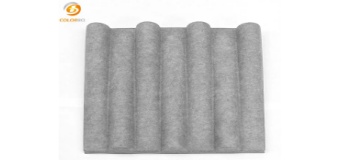
One reason acoustic wall panels are growing in popularity is that they can be designed to look like part of the interior, not like a technical add-on.
In modern projects, panels are used as:
feature walls
decorative textures
brand elements in commercial spaces
design accents that also improve sound comfort
This is why buyers often treat acoustic panels as both a functional and visual upgrade.
A practical selection approach includes:
reduce echo
improve speech clarity
control room sound for work or media
room size and ceiling height
amount of glass, tile, or hard floor
how many people use the space
whether the space is quiet or busy
Many projects improve significantly with partial coverage rather than full-wall coverage.
What to Consider | Why It Matters |
Room use | speech vs music needs |
Surface hardness | more hard surfaces = more reflections |
Panel placement | correct zones improve results |
Appearance | panels should match interior style |
Maintenance | especially for public spaces |
A well-matched panel plan is usually better than simply adding more panels without strategy.
When acoustic wall panels are used well, people often notice:
conversations feel easier
the room sounds less “empty”
background noise feels less aggressive
video calls sound clearer
the room feels more comfortable when busy
These are practical, everyday improvements that make acoustic panels valuable in both homes and commercial spaces.
So, what are Acoustic Wall Panels used for? In practical terms, they are used to reduce echo, improve speech clarity, and make rooms feel more comfortable by absorbing reflections and lowering reverberation. They are widely used in offices, meeting rooms, classrooms, restaurants, studios, and homes because sound comfort affects how a space is experienced every day. An Acoustic Wall Panel is not only a technical product—it is often part of modern interior design, combining sound control and visual style in one solution.
At www.colorbo.com, we focus on Acoustic Wall Panel solutions that support both functional room sound improvement and clean interior aesthetics. If you are planning a new space or upgrading an existing one and want to create a more comfortable sound environment, you are welcome to learn more from www.colorbo.com and explore suitable Acoustic Wall Panel options for your project.
They are commonly used to reduce echo and improve sound comfort in home offices, living rooms, and media spaces, especially in rooms with hard floors and bare walls.
Acoustic panels mainly treat sound inside the room. For reducing noise transfer between rooms, soundproofing methods are usually needed.
Common best locations include large reflective walls, areas behind the main seating or speaking zone, and first reflection points near speakers or desks.
It depends on room size and surface hardness. Many spaces improve with partial coverage when panels are placed in the most reflective zones.